简介
⚠️ 本期含有对动物的残忍操作,以及和性暴力有关的直接描述,不建议未满18岁收听;对这些内容敏感的朋友可以对照下面的时间轴跳听。
超市货架上那枚体积更小的鸡蛋,改变的可能不只是某一只母鸡的处境,还有买蛋的那个人。
福柯一辈子没有把自己关于权力和主体的理论用在动物身上,但过去几十年,越来越多批判性动物研究的学者把规训权力、生命政治和牧领权力搬进了跨物种的语境。
这一期我整理了其中给我启发最大的一部分——出于时间考虑,我将讨论范围框定在农场动物福利:从格子笼、断喙和僵直不动测试,到把「胁迫」翻译成「让猪陷入爱河」的 Temple Grandin——为什么一个几十年来一直把动物当机器处理的产业,现在会大方地在消费者面前承认动物是有感受的?
我不打算论证动物福利对动物的处境改善完全无用,也不打算证明研究福利科学的人并不真诚。我更想问的是另一个问题:当动物福利的改善进入一套以繁殖、生产和屠宰为终点的制度之后,它把动物塑造成了什么样的动物,又把我们塑造成了什么样的人?
音频
时间轴
00:20智能手环与自愿的监控01:25福柯从未把理论用于人对动物的控制03:00动物福利、福利科学、福利主义如何定义07:42规训权力与驯顺的身体13:16Clare Palmer:动物是行动者还是物品16:01「动物机器」其实从来没被造出来17:18生命政治:使其活,任其死18:26僵直不动测试与「强暴公鸡」21:30十四个乳头,十八个胎儿24:47育种者也是在被生产的主体26:09死亡政治与赤裸生命28:02保护动物的法条如何豁免畜牧业29:48越是吃肉越要关心动物福利?32:04牧领权力与代理牧人33:15弧形通道与虚构的同意34:47《如何让猪陷入爱河》37:58个体化知识与跛行肉鸡的止痛药实验39:49从规训社会到控制社会41:32自我的双重化与自动化屠宰42:56背叛的悖论44:51「会不会痛」这个问题的陷阱45:56鱼会反抗吗47:47鱼钩、拖网与被利用的能动性49:22认知暴力与吸鱼泵51:31教人「最小化痛苦」杀螃蟹53:44怎样的知识被生产56:48收尾:把控制理解成关怀
参考文献
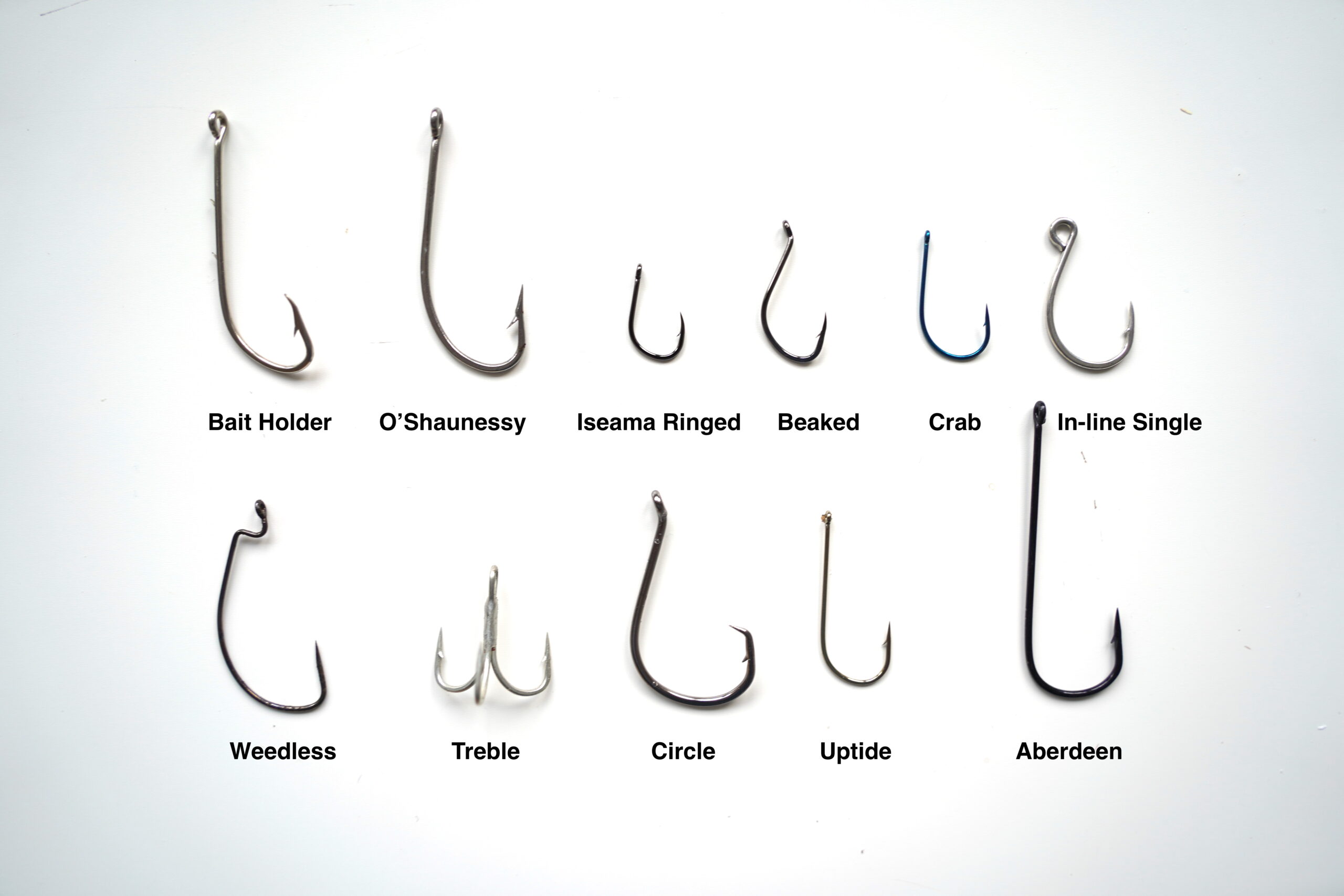
鱼钩的倒刺设计

吸鱼泵
书籍与文献
- Agamben, G. (1998). Homo sacer: Sovereign power and bare life (D. Heller-Roazen, Trans.). Stanford University Press.
- Chrulew, M., & Wadiwel, D. J. (Eds.). (2016). Foucault and animals. Brill.
- Cole, M. (2011). From “animal machines” to “happy meat”? Foucault’s ideas of disciplinary and pastoral power applied to ‘animal-centred’ welfare discourse. Animals, 1(1), 83–101. doi.org
- Foucault, M. (1979). Discipline and punish: The birth of the prison (A. Sheridan, Trans.). Penguin. (Original work published 1975)
- Foucault, M. (1983). The subject and power. In H. L. Dreyfus & P. Rabinow (Eds.), Michel Foucault: Beyond structuralism and hermeneutics (pp. 208–226). University of Chicago Press. (Essay originally published 1982)
- Mbembe, A. (2003). Necropolitics (L. Meintjes, Trans.). Public Culture, 15(1), 11–40.
- Palmer, C. (2001). “Taming the wild profusion of existing things”? A study of Foucault, power, and human/animal relationships. Environmental Ethics, 23(4), 339–358. doi.org
- Stănescu, V., & Stănescu, D. (2020). Lost in translation: Temple Grandin, humane meat, and the myth of consent. In S. Jenkins, K. Struthers Montford, & C. Taylor (Eds.), Disability and animality: Crip perspectives in critical animal studies (pp. 161–181). Routledge.
- Wadiwel, D. J. (2016). Do fish resist? Cultural Studies Review, 22(1), 196–242. doi.org
- Birch, J., Burn, C., Schnell, A., Browning, H., & Crump, A. (2021). Review of the evidence of sentience in cephalopod molluscs and decapod crustaceans. LSE Consulting, London School of Economics and Political Science.
- Schild, S.-L. A., Foldager, L., Rangstrup-Christensen, L., & Pedersen, L. J. (2020). Characteristics of piglets born by two highly prolific sow hybrids. Frontiers in Veterinary Science, 7, Article 355. doi.org